All Categories
Featured
Table of Contents
From generative chatbots to fraud detection, synthetic intelligence is rapidly ending up being an important tool for business operations. Advance your digital transformation strategy with an AI adoption roadmap.
Without this strategic approach to digital improvement, adding AI to your workflow will not deliver the outcomes you anticipate. Implementing AI into your business operations is more than just rewriting a program or investing in a brand-new tool. Leaders should embrace an ecosystem mindset that focuses on integrating a large network of capabilities, enablers and policies.
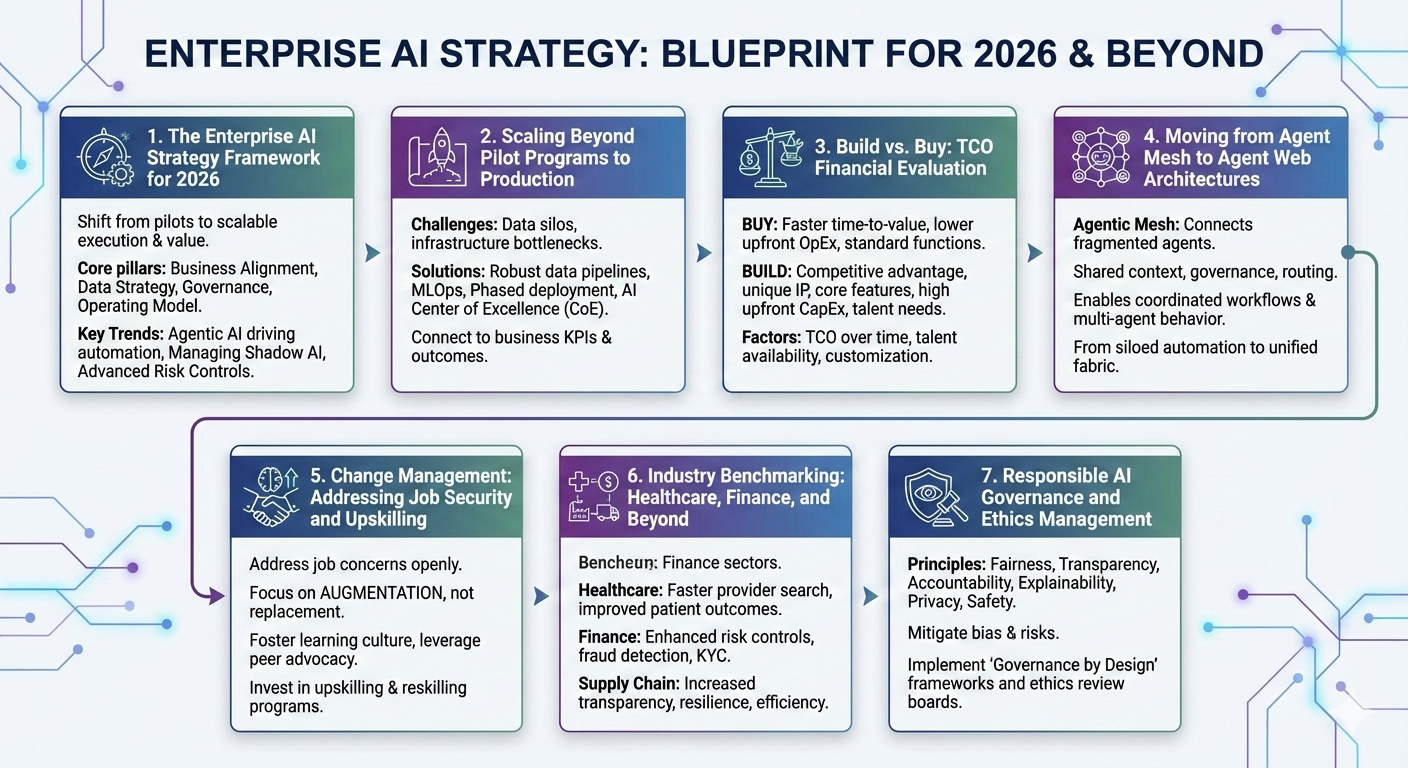
clean information that relates to your AI adoptions secure innovation that can be scaled to adjust as required teams dealing with AI needs to be trained in AI literacy and aware of AI principles existing workflows that are clearly specified so AI can be effectively adapted Before a company carries out AI into a workflow, you need to perform a regulated, small-scale test of the toolthis is referred to as the pilot program.
: Determine precisely what it is you want AI technology to accomplish, and set how to measure success to make development trackable: Assess all existing innovation, audit data and look into workforce skills to find potential spaces or risks within the company: Assign resources and map out, with a practical timeline, how AI initiatives will be presented into possible projects, in order of value and functionality: Detail a clear governance structure to develop responsibility for all AI-related activities and address ethical practices to minimize predisposition in each system: When effective pilot jobs emerge, plan on how to best scale an AI option, like CGI PulseAI, across the entire organization by tracking efficiency, collecting feedback and refining your technique When developing an AI adoption roadmap, there are a few technical, organizational and strategic difficulties that have the potential to prevent the success of a scaled combination within a company.
If your company introduces AI initiatives without specifying which issues you wish to resolve or how to determine success, the project stalls in the earliest stages and does not advance. In some companies, there's a cultural resistance to digital change. Staff members might resist the use of AI in the work environment due to fear of job loss or basic apprehension about the program's reliability.
Scaling ROI Through Transformative AI-Cloud Systems
Another difficulty comes with the quick advancement of AI technology. With all the updates and additions to programs, AI can typically surpass an organization's ability to adjust, causing a consistent requirement to play catch-up. If a company is not prepared to designate correct time and resources to stay up to date with AI efforts, the outcomes can fall flat.
When presenting these new concepts, leaders need to stay drastically transparent about AI's role in their company. Preferably, the human-centered style (HCD) efforts need to enhance and help your staff member, not replace them. As soon as the staff is on board, focus your efforts on comprehensive training to construct AI literacy and offer a safe environment for a full variety of concerns and experimentation.
Why Every Australian Business Needs a Cloud-Native Frame Of MindBridges the gap between machine and human requirements Guarantees relevancy and inclusivity Constructs approval and trust Promotes diverse perspectives and equity Drives liable and ethical execution When developing an AI technique or roadmap, think about the effect and acknowledge the possible ROI. By identifying usage cases, specialists can help align your organization's strategic objectives or challenges with particular AI innovations.
AI tools can be resource-intensive and complicated additions to daily operations. To prevent interruption within your company, focus efforts on producing a well-rounded AI adoption roadmap. The key? Fulfilling your group where they currently are. Before you execute any AI tools, make collective efforts to understand your company's existing workflow.
Why Cloud-Native AI is Reshaping Local Business HorizonsSteps to Accelerate Growth With Advanced Cloud Systems
As soon as patterns are determined, you can figure out which AI programs will help bridge those gaps. After a couple of successful pilot programs, you can slowly incorporate and scale the innovation till it's utilized companywide. After years of experience creating advanced solutions, we are committed to helping companies harness the complete power of expert system.
You do not require to reinvent the wheel to enjoy the advantages of AI.

Latest Posts
Leveraging Potential Through Smart Cloud Modernization
Key Benefits of Corporate Modernization in 2026
Legacy IT Vs Modern Cloud