All Categories
Featured
Table of Contents
In other locations, security concerns and low self-confidence restrict what individuals can utilize, which holds AI back. Numerous companies have turned to Microsoft AI options to meet these difficulties.
Create an AI technique that fits your service needs by working through the decisions in the following sections in series. This step defines how choice makers discover where AI can improve organization results across the company.
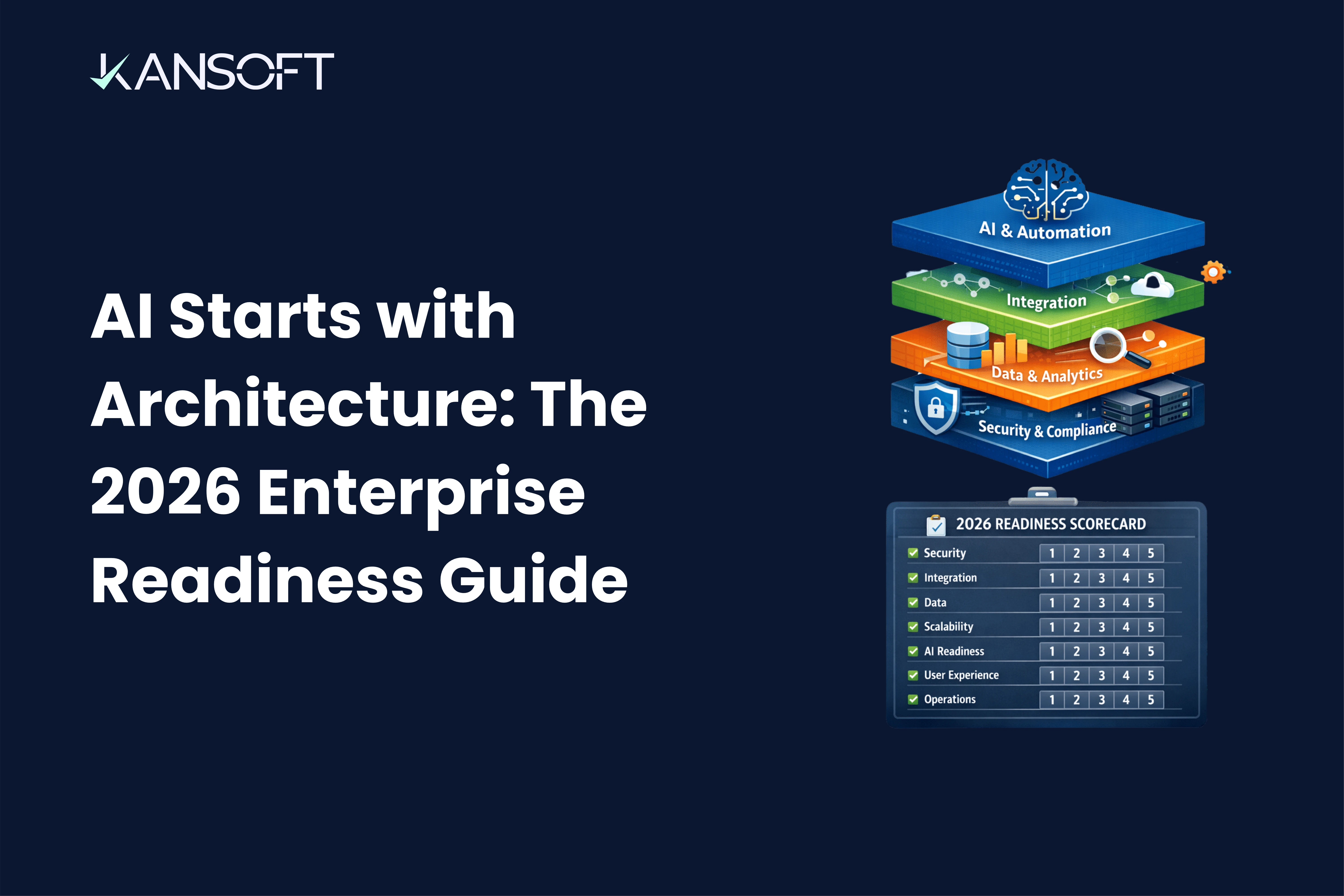
Its purpose is to give everyone a typical view of what matters most to the business. Look for where the company requires much better results before you consider AI at all.
Unlocking Value Through Smart Cloud Modernization
Frame the search in plain terms such as "where do results miss expectations" or "where do individuals invest time on repeated tasks." This approach keeps AI pointed at value instead of novelty. Tradeoff: A broad scan surface areas lots of chances, so remain concentrated on the result spaces that are both measurable and significant.
Tradeoff: Early circumstances tend to be vague, so fine-tune them into clear and actionable descriptions before you carry on. Classify each use case based on how it produces value. Utilize this choice to guide later technology options. These use cases enhance how individuals or teams work inside existing tools. Examples include composing support or meeting preparation.
These use cases change how the organization operates or provides value. They frequently need integration with other systems and can combine more than one AI type.
You have the freedom to adjust it later on. produces outputs that can differ even for the exact same input, and it works well when inputs are disorganized such as natural language or files. It fits cases where the workflow isn't fixed and where you want the system to create content or help a human choice.
Apply this exact same sequence across every business area. A repeatable flow lowers confusion, prevents you from reaching for generative AI where it isn't required, and prepares you to select an option course next.
Structure Trust Through Transparent AI Security ProtocolsDeveloping Agile AI-First Systems
Microsoft uses 4 adoption models that trade customization for simplicity under a shared responsibility method. As you move from the first design to the last, you gain control and provide up speed.
Then utilize the following assistance to weigh four aspects for AI service: Review the abilities of Microsoft and Azure AI options to see if they fulfill the requirements of your use case. Validate the required data exists and is available for the scenario. Verify that each use case is achievable with current capabilities before you choose a service.
Microsoft ready-to-use AI solutions, called Copilots, raise effectiveness quickly due to the fact that they require little setup and deal with data you currently have. Microsoft 365 Copilot adds AI assistance throughout Workplace apps. In-product and function based Copilots focus on specific job roles and industries.: Copilots provide the fastest results, however they provide less customization than a custom-made option.
Company Yes. Data-connection and plug-in choices are offered.
Ways to Scale Transformation With Integrated Cloud Systems
Most need minimal data preparation. Very little (basic admin configuration and information readiness) Free or membership Microsoft Copilot is a free web-grounded chat app. Specific No None Free Microsoft supplies SaaS advancement options to construct AI agents. Copilot Studio lets business users develop AI assistants with natural language, while Microsoft 365 Copilot extensions let you tailor business Copilot with company-specific information and processes.

Latest Posts
Leveraging Potential Through Smart Cloud Modernization
Key Benefits of Corporate Modernization in 2026
Legacy IT Vs Modern Cloud