All Categories
Featured
Table of Contents
Digitalization goes one step even more and concentrates on improving company procedures using digital workflows. It focuses on improving the crucial efficiency signs (KPIs) per the tactical objectives of an enterprise. Digital Improvement includes both digitization and digitalization in addition to organization and people aspects. It covers everything from carrying out business applications and developing digital work designs to constructing new services for customers and employees.
Traditional IT tasks need heavy capital financial investments. Setting-up on-premise infrastructure likewise requires hiring IT resources which is an extra functional expense. Numerous enterprises still consider digital investments as operational expenditures rather than transformative efforts. Because it is challenging to anticipate ROI for large digital jobs, company leaders may be averse to starting.
Transformational projects may need modifications in business designs, office characteristics, and operating treatments. An understanding that possible IT services may not provide the required versatility is one of the factors digital improvement initiatives stop working to remove. Cloud innovations are becoming the bedrock of change strategies for modern-day companies.
Cloud platforms are generally available on a regular monthly or annual per-user membership basis. The cloud service company handles the servers, network elements, and application updates in the background.
Essential Strategies for Next-Gen Cloud Systems
IT teams can immediately increase or reduce storage and computing capabilities based on enterprise requirements. You can also set up and tailor these workflows for policies and models specific to your business.
Business users can typically deal with these on their own. Modern cloud options employ the newest security procedures at every layer, from hardware and operating systems to application and user levels.
Enterprises save money on in advance financial investments and IT personnel costs and also avoid overprovisioning. It reduces the financial threat associated with digital change projects and assists protected leadership buy-in. You can monitor for efficient adoption and favorable company results before scaling cloud applications to a business level. This measured method and the flexibility to reduce as needed, has a direct positive effect on the organizational bottom line in the long run.
Cloud facilities has actually likewise made the requisite computing power and analytical designs available to business of all sizes without heavy in advance investments. Artificial Intelligence (AI) driven analytical models, visual control panels, and automated reports help develop organization methods based upon information. It is the trademark of a company on a digital transformation journey.
Based upon the level of flexibility and control you need, you can pick one or a mix of them. Infrastructure as a Service (IaaS) offers on-demand access to IT facilities, consisting of servers, storage, network elements, and other virtual devices. It resembles an on-premise set in that it offers a high level of control over your infrastructure but with the added advantage of increased flexibility and scalability.
Modernizing Your Business for the Digital Shift
You need not manage or preserve the underlying facilities. You can focus on structure software application based on your digital transformation needs. Software as a Service (SaaS) offers readily deployable end-user applications available over the web. With SaaS, you do not require to handle or maintain the hardware or software resources.
Shifting From Old IT to AI-Ready Cloud FrameworksFrom a network gain access to point of view, cloud designs are of 3 types - Public, Private, and Hybrid. A personal cloud serves a single enterprise. A public cloud is a subscription-based online service that deals with numerous businesses. A combination of these two designs is called a hybrid cloud. Following are the essential turning points to be completed for digital change initiatives, The initial step is to evaluate your organization's AS-IS digital service maturity and preparedness for modification.
Enterprises minimize upfront investments and IT workers costs and likewise prevent overprovisioning. It reduces the monetary risk associated with digital transformation tasks and helps secure leadership buy-in. You can keep track of for effective adoption and favorable company results before scaling cloud applications to an enterprise level. This measured approach and the versatility to reduce as needed, has a direct positive influence on the organizational bottom line in the long run.
Leading the Convergence of AI and Cloud Architecture
Cloud infrastructure has also made the requisite computing power and analytical models available to enterprises of all sizes without heavy in advance investments. Artificial Intelligence (AI) driven analytical models, visual control panels, and automated reports help formulate business techniques based on data. It is the hallmark of a company on a digital transformation journey.
Based upon the level of versatility and control you require, you can choose one or a mix of them. Facilities as a Service (IaaS) uses on-demand access to IT infrastructure, including servers, storage, network elements, and other virtual devices. It is similar to an on-premise set in that it offers a high level of control over your infrastructure but with the added advantage of increased versatility and scalability.
You can focus on structure software as per your digital change requirements. Software as a Service (SaaS) offers readily deployable end-user applications accessible over the internet.
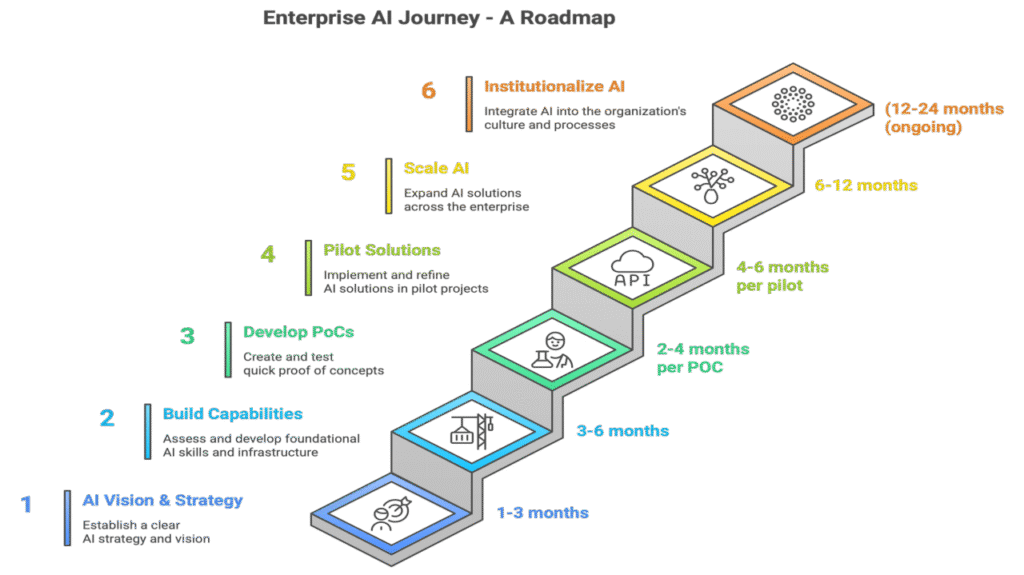
How to Design a Modern AI Deployment RoadmapA public cloud is a subscription-based online service that caters to multiple services. Following are the crucial milestones to be completed for digital improvement efforts, The first action is to assess your organization's AS-IS digital company maturity and readiness for modification.

Latest Posts
Leveraging Potential Through Smart Cloud Modernization
Key Benefits of Corporate Modernization in 2026
Legacy IT Vs Modern Cloud