All Categories
Featured
Table of Contents
"Google, Amazon and Facebook all have different technology-related accreditations that can provide students an upper hand on competition when it comes time to begin looking for jobs." A company technologist is a senior-level professional who is accountable for ensuring companies invest smartly in technologies. These professionals take into consideration the existing tech landscape of a company, recognize requirements that can be attended to with innovation and oversee the implementation of this technology.
"I now work across multiple software application platforms, assisting companies to develop their own company management solutions," Munro says."A company technologist role does exist rather extensively but mainly in an extremely specific specialized or with another title," Munro states. "Other comparable titles include business analyst or an options architect." "The BYOD pattern has really been evolving really quickly in the workplace during the last few years," states Carlos Rodrigo Montagner, IT executive at Merial.
"So it takes some effort for IT departments to organize that, develop guidelines and to guarantee data integrity throughout the companies." Montagner states companies are changing with stronger network security infrastructure and compliance requirements for individual gadgets. "The broad adoption of big data is making business way more effective at finding and reaching their target audiences," states Pierre de Braux, content strategist at Spiralytics.
Building Resilient Cloud-Native StrategiesBig data doesn't always solve a specific problem; it makes us much better issue solvers in basic."The more companies use information to improve, the more information they desire. This is resulting in a huge incentive for expert system (AI) systems that can analyze the info. "Analytics as we understand is an extremely time-consuming activity," says Ian Khan, technology futurist and author.
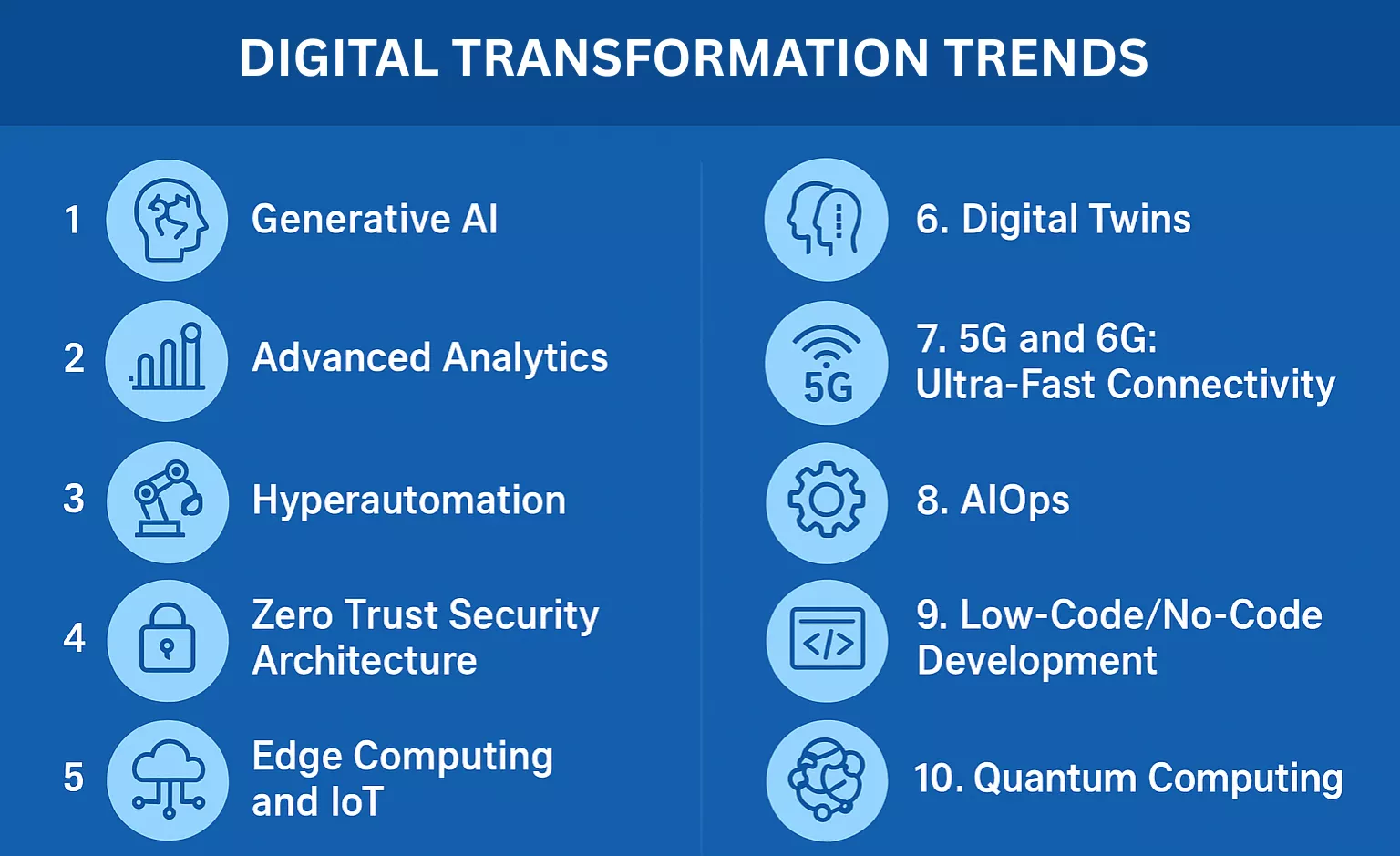
"The advancement of company technology is creating new jobs, new markets and new function expertises, so it assists to stay up to date with the trends." Finding out about these huge patterns in business technology is an excellent method to keep yourself competitive in both organization and innovation environments. Much of these modifications and patterns in organization innovation provide a solid chance for knowledgeable professionals to action in and thrive.
The Complete Guide for 2026 Modernization
Want to find out more about a few of the positions poised for success in a digital economy? Inspect out our short article, ".".
As we navigate April 2026, the foundational components of digital facilities have actually moved. We are no longer simply "moving to the cloud"; we are managing a complicated web of self-governing systems and distributed intelligence. The "innovation flywheel" is spinning faster than everbetter technology causes more information, which attracts more financial investment, more speeding up infrastructure advancement.
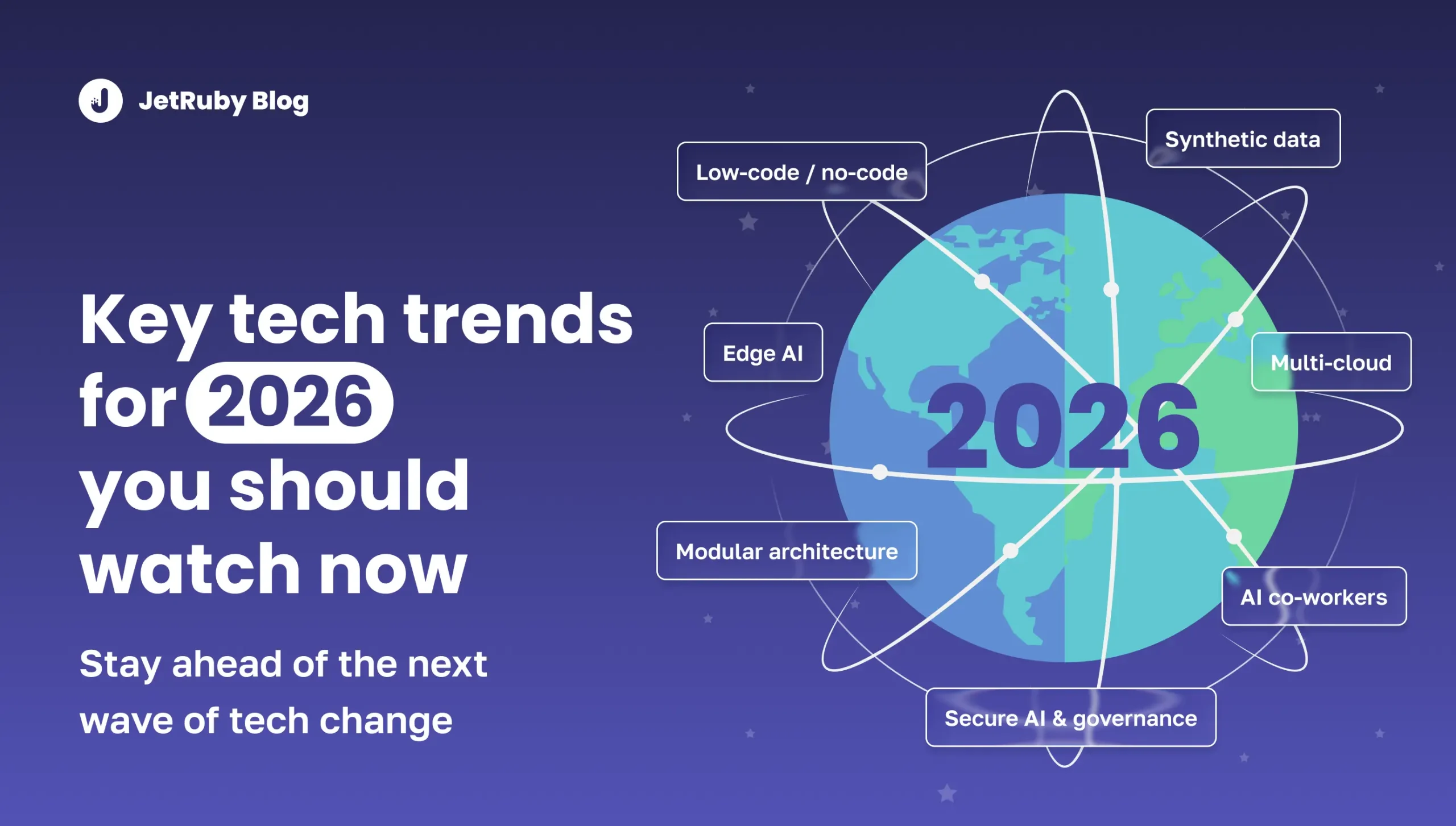
For large-scale business, this velocity requires a brand-new method to digital exposure. Search engines are no longer simply indexing text; they are indexing the capabilities of these self-governing systems. Subsequently, the intersection of future business tech and search visibility has ended up being the primary battleground for market share. At the heart of this shift is the relocation from General-Purpose AI to specialized, efficient designs.
Gartner predicts that by 2027, companies will use task-specific AI designs three times more often than general-purpose LLMs. This shift is important for SEO strategies that carry out well for large companies. Big business typically fight with "content bloat," where thousands of pages compete for the exact same keywords. By releasing SLMs to examine and refine internal information structures, companies can guarantee that their digital footprint is optimized for both human users and the AI-driven crawlers that now control the search landscape.
Unlike basic chatbots that await a timely, AI agents are goal-oriented. They don't simply "chat"; they do. An agent can be provided a top-level objective"Optimize our Q3 supply chain for cost"and it will autonomously analyze vendors, negotiate rates, and upgrade stock logs, just requesting for human approval at vital choice points.
Building Resilient Cloud-Native StrategiesMastering the Global AI Landscape
For a company with a million-page website, manual auditing is difficult. Agentic AI can recognize broken canonical tags, reroute loops, and schema mistakes in real-time, making sure that the site remains completely crawlable. However, moving from pilot to production remains a difficulty. While 38% of companies are piloting representatives, just 11% have them completely production.
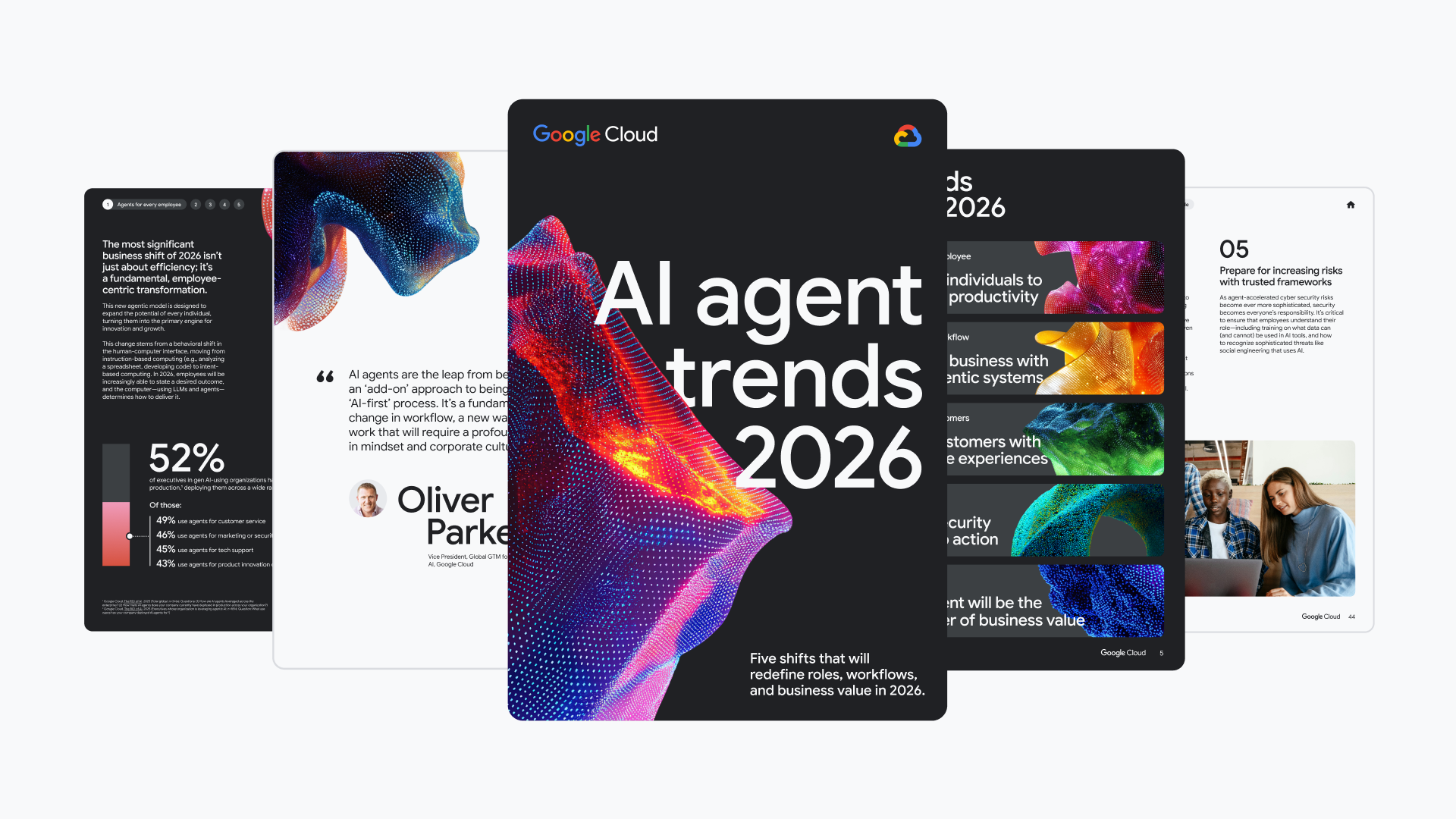
, these multiagent systems will become the "silicon labor force" that handles routine operations, permitting human beings to focus on high-level strategy. This technique must include a robust SEO part, as the exposure of these automated services determines their supreme utility in a competitive market.
For smaller sized services, "Robotics-as-a-Service" (RaaS) models have made this innovation available without huge upfront capital., these makers do not just move boxesthey forecast maintenance needs and optimize routes in real-time.
To power these AI "brains" and robotic "bodies," the underlying skeleton of businessIT infrastructurehas needed to develop. Global cloud costs has actually struck a massive $1.3 trillion, however the pattern isn't just "all-in" on public cloud. Instead, we are seeing the dominance of and. For large business, infrastructure speed is a direct ranking aspect.
Driving High Growth Using Integrated Cloud Platforms
HCI integrates calculate, storage, and networking into a single software-defined platform. This enables businesses to have the dexterity of the cloud with the security and "immediacy" of on-premises hardware. Is resolving the latency problem. By processing information at the sourceon the factory flooring or inside a clever vehiclebusinesses can act upon technology patterns for service without waiting for data to take a trip to a remote information center and back.
This shift is particularly evident in how big business manage their digital existence. SEO is no longer a siloed marketing function; it is a core element of the enterprise technology stack, requiring deep combination with information science and infrastructure teams.
Unlike smaller sized websites, enterprise sites typically handle millions of URLs, complicated internationalization, and legacy subdomains. To carry out well, these organizations should focus on three important pillars: Programmatic SEO, Technical Crawl Efficiency, and E-E-A-T (Experience, Proficiency, Authoritativeness, and Reliability) at scale. involves utilizing data-driven templates to produce high-quality, useful pages for thousands of long-tail search queries.
The key is ensuring that these pages offer real value and are not simply "entrance pages," which search engines now punish greatly. By leveraging the SLMs discussed previously, large business can generate distinct, contextually relevant content for these pages that pleases both user intent and search algorithms. is the second pillar.
Unlocking Business Growth Using Integrated AI Platforms
Future-ready enterprises use sophisticated server-side rendering and edge SEO to provide pre-rendered pages to bots, making sure that every second of crawl time is spent on revenue-generating content. Additionally, executing a robust internal connecting structure utilizing AI-driven recommendations can help disperse "link equity" better throughout a huge domain. needs a central approach to brand name authority.

Latest Posts
Leveraging Potential Through Smart Cloud Modernization
Key Benefits of Corporate Modernization in 2026
Legacy IT Vs Modern Cloud